Childcare looks calm from the outside: finger paint, morning tracks, nap mats in cool rows. Up close, it moves fast. A kid coughings hard after a grape, a preschooler trips and drives a tooth right into a lip, a baby's breathing goes quiet for a beat also long. In those limited home windows, a carer's training shows. I have actually watched positive teachers transform a near-miss right into a non-event since their first aid and CPR abilities were current, exercised, and adapted to children's needs. This article sets out what's needed, what's wise, and what experience teaches you to do when it's your turn to act.
The governing baseline and what it suggests in practice
Most territories need at the very least one instructor with existing first aid and CPR training to be present whenever children get on site or off site. Rules differ: some mandate a specific first aid course that covers kids and infants, some require bronchial asthma and anaphylaxis training too, and numerous anticipate every manager to hold an existing first aid certificate. Since laws differ state by state and country by nation, directors must map demands to their setup and maintain written evidence on file.
Compliance is not a documents exercise. Moms and dads ask about it. Examiners do examine days on certifications. More notably, emergencies do not wait on the "qualified person" to return from lunch. In well-run solutions, most or all staff hold first aid and CPR certificates and maintain a functional rhythm of refresher courses. That builds redundancy and speeds the feedback throughout day trip, late pick-ups, and split classrooms.
If you are picking a provider for your first aid training, search for two things beyond regulative tick-boxes. Initially, pediatric content that matches your age groups, not simply grown-up treatment folded up right into a generic component. Second, hands-on practice with equipment you really utilize: baby and youngster manikins that simulate upper body recoil, sugar pill epinephrine auto-injectors, fitness instructor inhalers and spacers, and child-sized bandaging and splinting products. Classroom time issues, but time on task matters more.
What "first aid and CPR" indicates in a child care context
The phrase carries even more meaning when you break it right into the abilities that conserve mins, then lives.
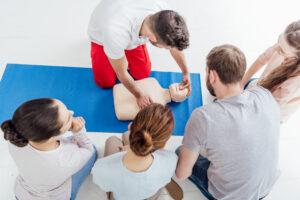
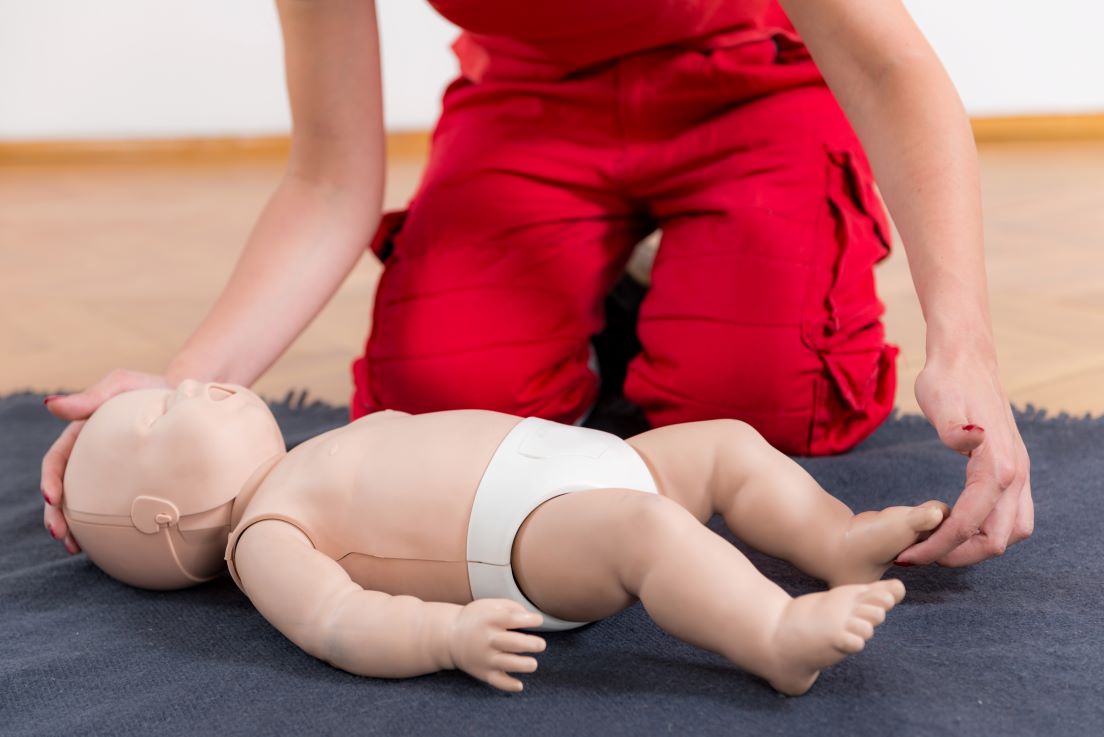
Pediatric CPR is various from adult CPR. Compressions are shallower for infants, much deeper for bigger children, and hand positioning adjustments. Ventilations are gentler, supplied over regarding a 2nd, and strategy shifts based on dimension: two fingers on the breast bone for babies, a couple of hands for older youngsters. The ratio of compressions to breaths likewise differs depending on whether you are alone or have a second rescuer. Quality CPR continues to be the very same core: push hard, push fast, enable full chest recoil, and lessen pauses. Exercise on child and infant manikins fixes pressure, speed, and hand positioning, and it subjects how swiftly fatigue establishes in.
Choking administration also diverges by age. Back blows and breast drives for babies under one year, stomach thrusts for older children who are conscious and incapable to cough. Knowing when coughing works, when to switch techniques, and just how to sustain the respiratory tract after an obstruction clears can be the distinction in between a terrifying minute and a tragedy. Practical role-play helps team read the signs: quiet cry, cyanosis around the lips, weak coughing, panic eyes.
Asthma and anaphylaxis rest high up on the danger graph in early childhood years. These conditions proceed promptly and respond well to motivate action. Asthma procedures emphasize reliever medication with a spacer, calm coaching, and reassessment every couple of mins. Anaphylaxis standards are distinct: give epinephrine initially when symptoms involve breathing, circulation, or substantial swelling, then call emergency solutions, after that think about adjuncts like antihistamines and inhalers. Educating that drills the sequence minimizes doubt. In my experience, the hold-up most often originates from uncertainty, not lack of accessibility. The fix is regular practice with instructor auto-injectors and clear plan that backs team to act.
Trauma treatment in child care tends towards head bumps, dental injuries, lacerations, strains, and the occasional crack from playground drops. The ability isn't unique, it is technique. Check for risk, analyze responsiveness, control bleeding with firm straight pressure, incapacitate when suggested, and display for warnings like throwing up, aggravating frustration, or modified actions. Tooth with lip? Control bleeding, tidy carefully with saline if readily available, and refer. Avulsed irreversible tooth? Maintain it moist in milk or saline and seek immediate dental care. Baby teeth are taken care of differently. The first aid course you choose ought to not skim pediatric injury, because you will certainly make use of these procedures weekly.
Poisoning and burns are much less regular however carry weight. Toddlers discover with mouths and hands, and kitchens and art cupboards attract them. First aid training ought to cover the essentials of purification, cooling down burns with running water for a minimum of 20 mins, covering with a non-adhesive clothing, and fast acceleration for chemical or electric burns, bigger area, or face and respiratory tract involvement. Providers must likewise assist you audit your setting: label cleansing liquids well, separate them from food locations, and use child-resistant storage that is in fact locked.
Seizures can capture unprepared teams off guard. Straightforward febrile seizures prevail, short, and frightening. The right action is mild: protect the head, clear nearby risks, time the occasion, prevent putting anything in the mouth, and when it stops, put the kid in the healing setting while you keep track of breathing. Long term seizures and understood epilepsy need treatment plans and rescue medication methods if prescribed. Good first aid courses teach both the standard action and exactly how to browse individualized plans safely.
Choosing the best course and provider
A first aid course is not just an appointment on a calendar. The right program equilibriums requirements with realism, and it fits the way your service works. I look for a supplier with a track record in childcare settings, not just corporate workplaces or public classes. That generally turns up in their equipment, their case examples, and their comfort addressing what-if inquiries specific to early years.
Ask especially whether the first aid and CPR course consists of pediatric CPR for infants and kids, choking alleviation for any ages, asthma and anaphylaxis, bleeding and injury treatment, head injuries, burns, fracture administration, poisoning, and seizures. If the company uses various paths, choose the one typically called "Give First Aid" with pediatric components or a marked child care first aid course. If you see choices like cpr course just or integrated first aid and cpr courses, recognize the distinction. CPR training is important and have to be refreshed more frequently, however it does not change more comprehensive first aid training.
Consider whether onsite training at your centre is feasible. There are benefits. Personnel can rehearse in their real areas, with their real first aid sets, AED areas, and entrances. They discover for how long it takes to fetch an auto-injector from the office or an inhaler from a child's locker. They can role-play moms and dad handovers at your reception desk and method radio calls in your actual hallways. These information issue when seconds feel slow.
Finally, assess organizing and follow-up. An excellent carrier aids you intend a cpr correspondence course cycle, with tips prior to certificates run out. Lots of solutions placed CPR on a 12-month turning and full first aid on a 3-year turning, or whatever your regulator mandates. If a first aid pro deals electronic certificates, confirm they keep in mind the web content covered and the analysis technique. Some audits need evidence of hands-on competency, not simply theory.
Building a training society, not a single certificate
Paper qualifications do not the only one develop a risk-free atmosphere. The most effective childcare teams weave first aid right into regimens to ensure that abilities stay fresh between official classes. If you look after a solution, established a tempo for brief, scenario-based drills. 10 mins at a staff conference can cover 2 most likely events. You can utilize a laminated circumstance card: a kid hisses after running, a baby is silent and floppy, a four-year-old is missing out on from the backyard, a cooking area fire starts in a stove. Run the actions, check the equipment, debrief quickly. Staff grow comfortable utilizing their voices, designating duties, and discovering products without hunting.

Allergy and treatment strategies ought to live where they are required, not just in a binder. Post discreet, up-to-date plans in spaces where those children spend time. Train all instructors to identify those children and their certain triggers and indicators. Validate you have spare epinephrine auto-injectors if permitted locally, and that team understand your policy on using a general pen when a youngster's own pen can not be gotten to in time. These situations are rare, however your first aid training must speak to them explicitly.
When you upgrade policies, test them. As an example, if your anaphylaxis strategy needs two personnel to come with a kid to the office for medicine, act it out. Count the secs. Make modifications if needed, like placing a kit more detailed to the backyard or putting on a belt pouch throughout exterior play. When brand-new instructors join, pair them with a coach for a walk-through of first aid terminals, AED placement, and evacuation paths before their very first shift alone.
The gear that makes a difference
Facilities sometimes acquire impressive-looking first aid kits, then uncover the components do not match their dangers. For childcare, think much less concerning volume and more about function. You need products that fit little bodies and small respiratory tracts, which assistance frequent, day-to-day use.
A trusted AED with pediatric pads issues if you look after youngsters past infancy. Review the producer's directions for pediatric mode and pad positioning on tiny upper bodies. AED confidence grows with practice sessions utilizing a trainer that matches your version. Many centres position AEDs near the front desk and in the health club or biggest play area. Time your route with a vigorous stroll and adjust if it takes greater than a minute.
For asthma, stock spacers and masks sized for young children along with school-aged youngsters. Train team to assemble them swiftly, trainer slow-moving breaths, and rinse or replace spacers according to use standards. Keep a record of public spacer use or go for individual classified spacers if budget plans permit. Area fitness instructors in your personnel space to make sure that method is quick and informal.
Epinephrine auto-injectors are entitled to redundant access. A main emergency package works, yet numerous centres additionally maintain a class set throughout meal and outside times. Consider intense, conveniently recognized containers and constant placement. Include trainers in the very same kit kind so exercise never hold-ups action.
Dressings must suit little injuries. Stock much more small glue strips, butterfly closures, and non-adherent pads than cumbersome injury items, but do keep a stress plaster, triangular bandages, and a splint remedy that fits a youngster's limb. Include a little mirror to your set for checking mouths and eyes, and saline ampoules for gentle watering. Thermostats that read reliably and swiftly deserve the additional cost.
Documentation devices round out the set. Maintain occurrence report kinds or an electronic operations that triggers for time, device, symptoms and signs, treatment, parent alert, and follow-up. Efficient first aid proceeds after the plaster, with responsible notes and clear communication.
What an excellent CPR feedback looks like with children
Real occasions never match the poster, yet experienced actions comply with a well-known arc. A teacher notices a quiet kid that was previously coughing hard after a treat. They come close to, determine choking with inadequate coughing, and call for help while they start appropriate alleviation for the kid's age. The 2nd staff member gets the emergency situation kit and AED, and radios the workplace to launch the external support call. If the kid loses consciousness, they lower to the floor, check for breathing, and begin CPR with high-quality compressions and little, reliable breaths. An AED arrives, pads are placed, and triggers adhered to without delay.
The difference in between a crisp reaction and an untidy one is not heroics. It is calm voice commands, early duty job, and practice with your actual AED. If your first aid and cpr course offered you a psychological model, keep practicing it till it is muscle memory: examine security, check response, telephone call for aid, open respiratory tract, check breathing, start compressions, use the AED as quickly as it gets here. Children's bodies respond well to prompt, good-quality CPR. Also if you are not perfect, doing the basics well, quickly, and continuously offers the child the most effective chance.
Managing the edge instances you only see once
Guidelines cover the regular course, yet child care tosses the occasional curveball. A kid with a short-lived mandibular fixation after oral surgery begins to gag. You can closed the mouth, so your air passage management relies on positioning and careful suction if educated. Another youngster with fragile bone illness journeys. You will certainly be gentler moving and you will certainly ask an additional set of hands for stablizing even if the loss seems small. A known cardiac youngster's monitor alarm system sounds throughout nap and the space hushes. You fall back on the plan written with parents and experts, yet your core CPR training offers you confidence to act if the plan states so.
Children with intricate requirements commonly go to mainstream services. Their family members bring know-how, and excellent services learn it. Include time in your first aid training sessions to evaluate these treatment strategies. An experienced trainer will invite the difficulty, not avoid it. They will certainly assist you map basic skills to specific problems and decide what ought to set off a call to emergency services versus a phone call to parents.
Reporting, reflection, and moms and dad conversations
The rescue is not the end. Moms and dads are worthy of clear, valid descriptions of what happened and what you did. Usage ordinary language. Avoid decreasing, and prevent drama. If you provided drug, state the time, the dosage, and the child's action. If you began CPR, prepare the parent of what they will certainly see when they reach the health center, if relevant. In my experience, moms and dads remember tone and clearness. They do not expect you to be medical professionals. They do expect competence, honesty, and a readiness to evaluate what could be improved.
Internally, debrief every event, even the little ones. Ask what went efficiently and what snagged. Frequently, the solution is mundane: the spacer was in a drawer under art supplies, the auto-injector's https://waylonmtpe873.trexgame.net/first-aid-courses-explained-what-to-anticipate-and-how-to-choose trainer looked as well similar to the real pen, the radio channel was crowded, the first aid kit had actually run out of saline. Designate solutions with deadlines. Track them like any other security task.
Documentation safeguards the kid and the centre. Incident forms, medication records, personnel declarations, and, when appropriate, witness notes need to be completed the exact same day. Digital systems help, however just if they prompt for the best professional details. Train staff to create objective notes, not hunches. "Kid coughed, then came to be silent, lips turned blue, Northern Territory CPR course instructor supplied five back blows" reads differently from "Kid choked a little bit then went limp, so I panicked." Quality now aids if the event is examined later.
Refresher cycles: why timing matters
Skills decay. Studies reveal CPR compression depth and price drift within months without method, and hesitation slips back for anaphylaxis if staff have actually not pressed an instructor pen lately. A lot of standards recommend CPR refresher courses every year at a minimum. In high-turnover atmospheres, take into consideration much shorter inner refresher courses supported by your training provider. A cpr refresher course need not take a full morning. An hour of targeted technique on compressions, air flows, AED usage, and choking alleviation can reset quality.
Full first aid courses are frequently valid for a couple of years, depending upon local guidelines. Even if your certificate covers that span, your setup most likely changes quicker. Brand-new tools, brand-new team, upgraded clinical standards for bleeding control or spinal movement limitation, brand-new allergy accounts in your enrolment. Short, frequent, context-rich technique beats long, irregular theory.
When you arrange, startle sessions so your roster constantly includes several existing holders of a first aid certificate. Keep a real-time register with expiration dates and plan cover for personnel who miss out on a session. Tie your schedule to foreseeable lulls, not the disorderly end of year. If your company supplies mixed knowing, assign the online theory well before the sensible, and advise staff to complete it. The hands-on portion should concentrate on doing, not capturing up on reading.
Field journeys, transportation, and out-of-centre care
The genuine examination of readiness occurs when you leave the structure. Buses, parks, galleries, and pools transform your threat profile and your accessibility to devices. The answer is not to carry your entire supply cupboard. It is to develop portable, purpose-fit packages and explicit roles.
Before leaving, verify headcount, clinical plans, and the place of vital products like epinephrine pens and inhalers. Place a minimum of one experienced instructor in each sub-group, not all in advance with the lead. Verify cell insurance coverage along your course or lug a two-way radio system if you shed protection in specific parks. Agree on a rally point if the group must split. These are preparing abilities, not medical abilities, however they make clinical reactions possible.
On transportation, think of seat belt cutters and available first aid items, not locked in the under-bus storage space. If a kid triggers a bronchial asthma assault in the last row, can the instructor reach them rapidly and provide reducer securely while the motorist pulls over? Rehearse that prior to you are in website traffic. Water excursions call for added treatment: sinking is quiet, timelines are short, and resuscitation places a premium on efficient ventilations. Select instructors with current, top quality cpr training for these trips and put them at the waterline, not just in shade.
The human side of readiness
First help and cpr are human abilities, not simply checkboxes. People ice up, others talk too much, a few take over. None of that makes a person poor at their task. It makes them human under stress. Training that acknowledges this functions better. Construct room for emotions in debriefs. Show personnel to utilize short, clear phrases. Technique switching lead functions mid-scenario. Commend excellent synergy audible to be heard.
New teachers typically are afraid "doing it wrong." Address that directly. The worst outcome in cardiac arrest is not imperfect compressions. It is no compressions. The most awful outcome in anaphylaxis is not using epinephrine prematurely. It is waiting too long. Speak those facts commonly. They unlock action.
Sr. instructors ought to additionally defend against complacency. 10 silent years can thaw in one mid-day. Keep curious. When standards change, review the reasoning. For example, hemorrhaging control has actually advanced with more powerful recommendation of straight stress and hemostatic dressings in some contexts. AEDs have actually ended up being less complex and more flexible. Choking procedures are the same in principle but nuanced in method. An excellent first aid pro will certainly flag updates throughout refresher courses and help you adapt without drama.
Where first aid training meets more comprehensive safety
Good first aid does not replace avoidance. It educates it. If you take care of frequent journeys and falls on a certain corner of your yard, look at surfacing and guidance angles. Normal nosebleeds after roughhousing may motivate a new tactical plan for interior power breaks. Repeated food-allergy near misses out on after shared birthday deals with need to move plan to more secure events. Utilize your event logs as a map, not a declaring cabinet.
Still, also in the safest atmospheres, you will certainly need the skills. Children take threats as they learn. Bodies respond unpredictably to new foods and brand-new temperature levels. Viruses move with spaces and pick the susceptible. When you have staff who exercise and think, family members feel it. They hear it in your handover stories and see it in your calm during the uncommon true emergency.
Making the dedication visible
Parents trust what they can see. Article your first aid and CPR training condition where it belongs, with privacy thought about: an easy sign near function noting that all instructors are trained in first aid and cpr, that CPR training is freshened every year, and that your AED area is [below] Share highlights in your e-newsletters when team finish a first aid and cpr course or a cpr correspondence first aid course North Lakes area course. Without fanfare, allow family members recognize you run brief drills. Welcome concerns about your technique to asthma, anaphylaxis, and emergency care.
When visiting new family members, indicate useful features. Show the first aid kit and AED, explain exactly how you respond to injuries, and lay out just how you connect after occurrences. Discuss your relationships with your training carrier and just how typically you update your understanding. The best households will not only appreciate it, they will certainly choose you due to it.
A portable readiness list for leaders
- Map your regulative requirements and straighten them with program web content, specifically pediatric modules and anaphylaxis and asthma training. Keep a live register of certifications and strategy CPR and first aid courses on a moving schedule with reminders. Run brief, scenario-based drills month-to-month and review real cases immediately to take care of system snags. Place and preserve tools deliberately: AED with pediatric pads, age-appropriate spacers and masks, epinephrine auto-injectors, child-suited dressings, and clear documentation tools. Integrate private medical plans right into daily technique and train all personnel on the specifics for signed up children.
Final thoughts from the floor
I have educated and exercised first aid in rooms full of Lego dust and sunscreen. The moments that stick are small: the instructor who captured the ineffective cough prior to it transformed blue, the relief on a parent's face when they heard a calm, accurate account, the group that shaved twenty seconds off their AED bring just by relocating a plant stand. First aid and CPR in child care are not abstract abilities. They are functional, practiced acts of care.
Choose a solid first aid course, insist on pediatric focus, maintain cpr courses present, and develop practices that make the ideal activity the very easy one. If you do that, you fulfill the requirements. A lot more importantly, you meet the moment when it comes.